Seamless Modeling
Electrical BIM Services for Accurate, Coordinated, and Construction-Ready Systems
ASC Technology Solutions provides professional Electrical BIM Services in the USA, helping architects, engineers, and contractors develop accurate and coordinated electrical system models for modern construction projects. Our expertise in Electrical BIM Modeling Services ensures seamless integration of lighting systems, power distribution, cable routing, and low-voltage networks within a unified BIM environment.
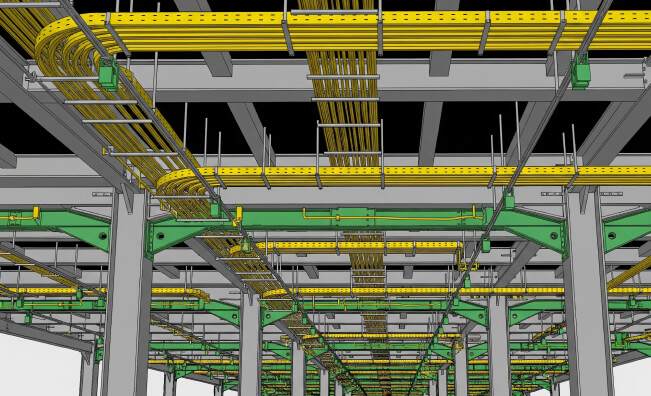
Our team delivers high-quality Revit Electrical Modeling Services by converting design drawings, CAD files, and engineering inputs into intelligent 3D BIM models. These models improve design accuracy, enhance coordination between disciplines, and support efficient project execution from design through construction. We also provide detailed electrical shop drawings, coordinated layouts, and fabrication-ready documentation that help contractors achieve smooth installation and reduce on-site conflicts. Through our electrical BIM services in the USA, we enable project teams to improve constructability, reduce rework, and deliver high-performance electrical systems with greater precision and efficiency.
Our Valued BIM Clients
Trusted by industry leaders across projects and geographies
1000+
Client served around the globe









Impactful design
Advanced Electrical BIM Modeling and Coordination for Seamless Project Delivery
Our Electrical BIM Modeling Services convert complex electrical designs into intelligent, data-rich BIM models that support efficient planning and execution. We develop models across multiple Levels of Detail (LOD 100–500), ensuring accuracy from conceptual design through construction to the as-built stage. Through our Revit Electrical Modeling Services, we integrate electrical systems with architectural, structural, mechanical, and plumbing disciplines to ensure clash-free coordination. Our team performs detailed clash detection to identify and resolve conflicts in cable routing, conduit layouts, and equipment placement before construction begins. We develop accurate models for lighting systems, switchboards, panels, cable trays, conduits, and communication systems. These coordinated BIM models improve visualization, improve stakeholder collaboration, and support faster, error-free installation on-site.
Transformative Solutions
Our Electrical BIM Modeling Services
Delivering accurate, coordinated, and construction-ready electrical BIM solutions for complex building systems.
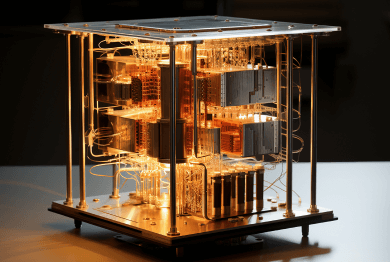
Electrical Equipment Modeling
ASC Technology Solutions provides accurate 3D models of many electrical components, which are electrical systems, lighting, distribution boards, switchboards, load banks, busducts, cable trays, and ladders. All models are designed with ease of understanding, assembly, and alignment to trade- these designs are indeed a great fit to our experience in Mechanical Coordination Services as a full project integrator.
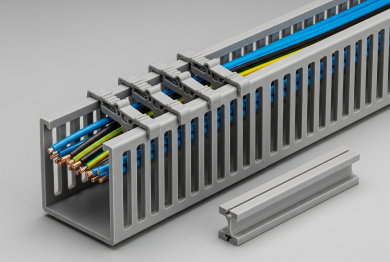
Communication & Data Device Modeling
Our BIM models are very comprehensive and detailed in the areas of communication networks, including cable baskets, secured ducts, data equipment, and routing systems. Each component is modeled in the exact placement and specifications, and it facilitates perfect coordination, just as Mechanical System Coordination Services organizes mechanical layouts in any discipline.
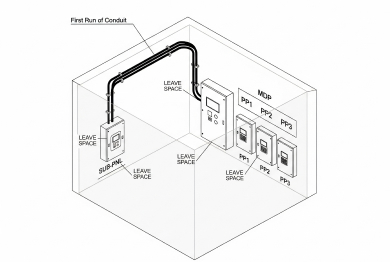
Conduit Layout Modeling
Our team comes up with detailed 3D BIM models used to lay conduits to follow accurate electrical installations. Each routing is well coordinated with architectural, mechanical, plumbing, and fire-protection systems to pull out system conflicts. This workflow is coordination-based based which is aligned to our Mechanical System Clash Detection Services capabilities.
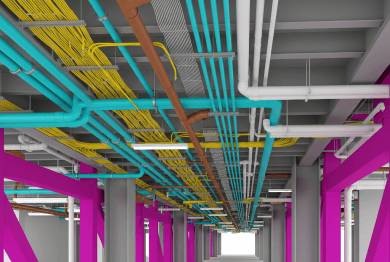
External Site Modeling
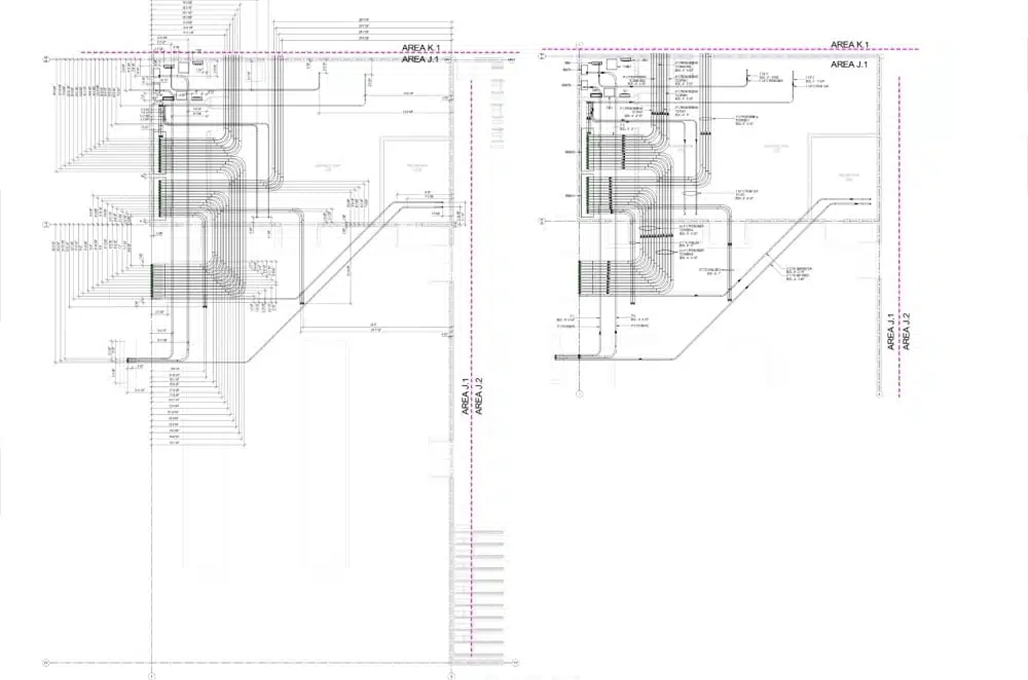
ASC models finish external electrical facilities, such as LV / HV systems, communication pits, duct banks, and cable trenches. These data-intensive models assist in mitigating any excavation-related risks and in making sure that all the underground utilities are properly designed, facilitating a better integration with other services, such as HVAC BIM Services, to achieve the fullest MEP synergy.
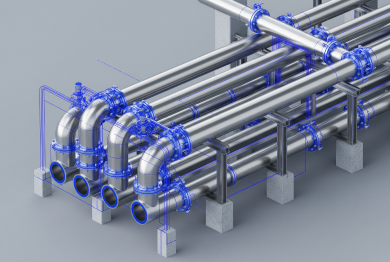
Hangers & Supports Modeling
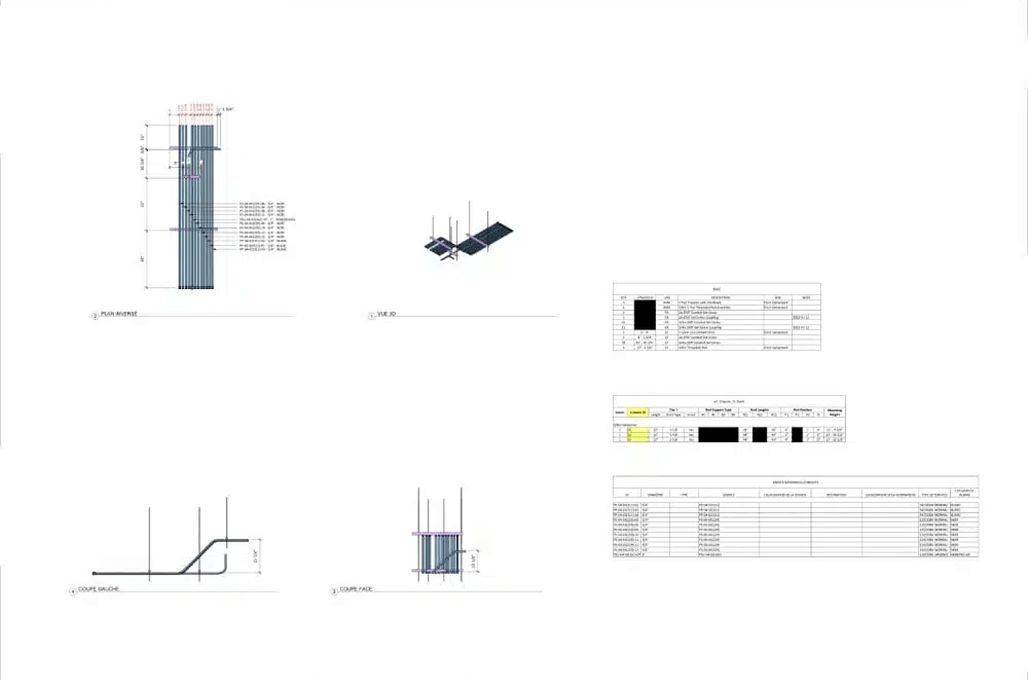
We lay out and model complete hanger and support equipment of electrical layouts, such as cable trays, ladders, lighting hangers, and wall-mounted supports. Our precise models are easy to install and integrate all supports with the rest of the MEP trades and supplement other workflows like 3D HVAC Modeling Services.
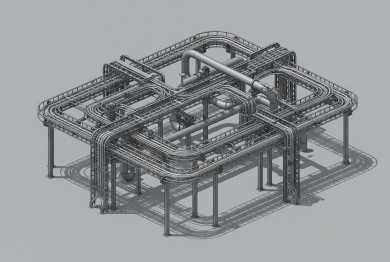
Cable Tray Modeling
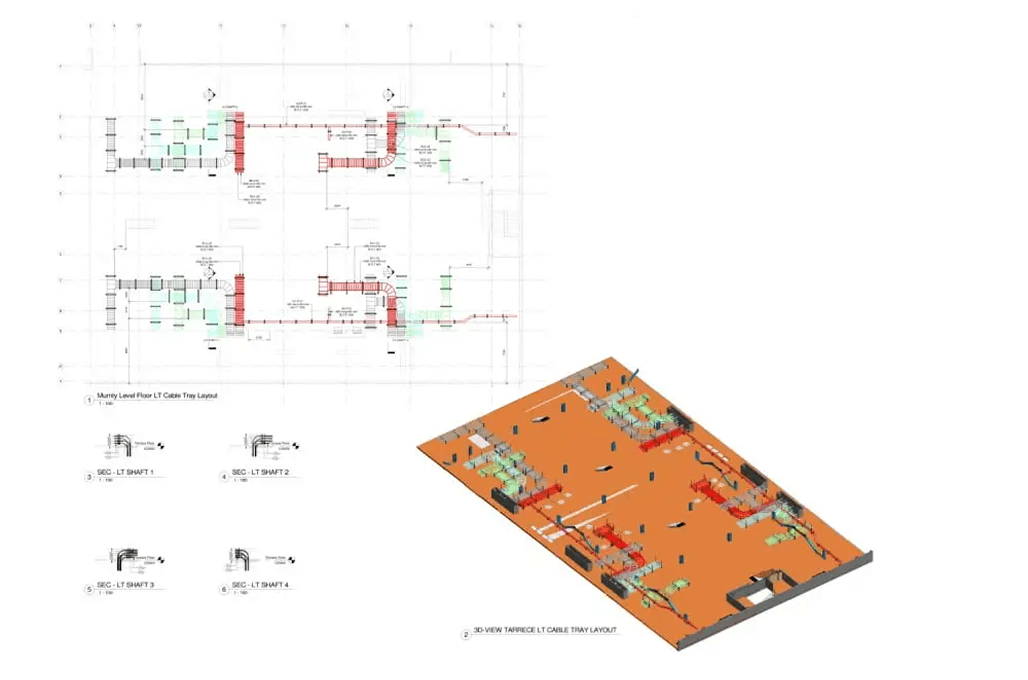
We generate high-quality, conflict-free 3D representations of cable tray systems that are cost-effective in terms of routing and also aligned with the rest of the disciplines. This minimizes any rework on site, guarantees that there is feasibility, and also enhances the constructability of the whole MEP layout.
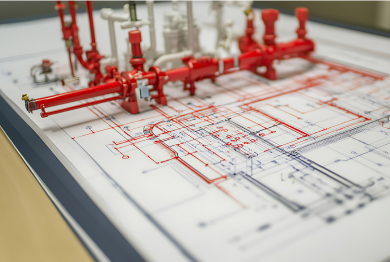
Fire Alarm System Modeling
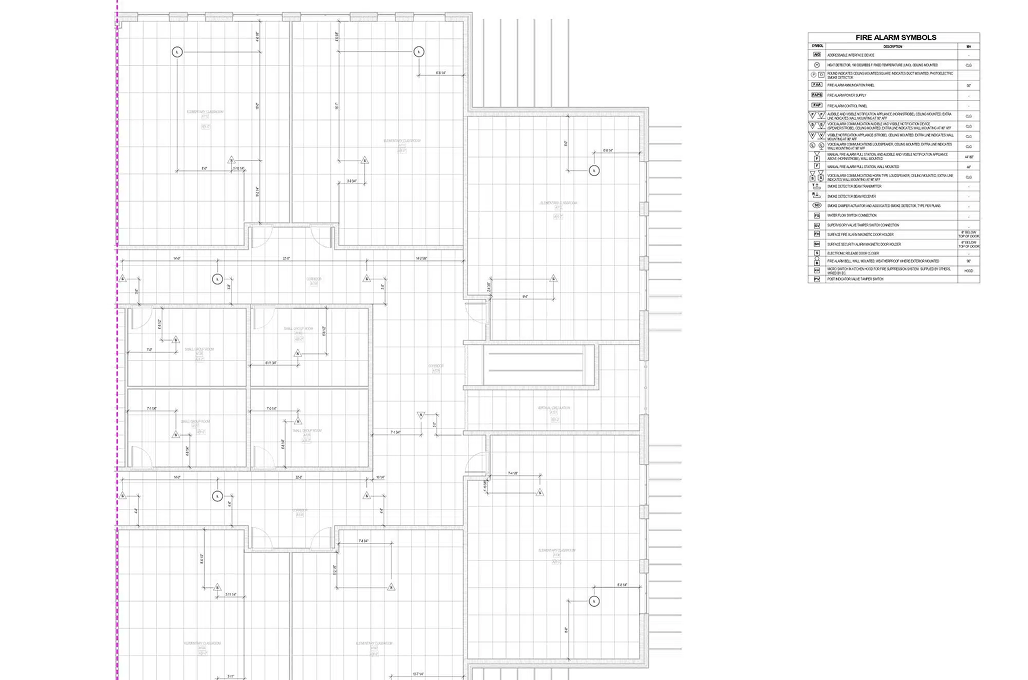
ASC creates code-compliant and smart electronic BIM models of the fire alarm system, and the locations of devices, wiring, and parts of the system. All models are well coordinated with all the services so that they can be installed with ease, do a more careful safety planning, and they can also integrate an effective system.
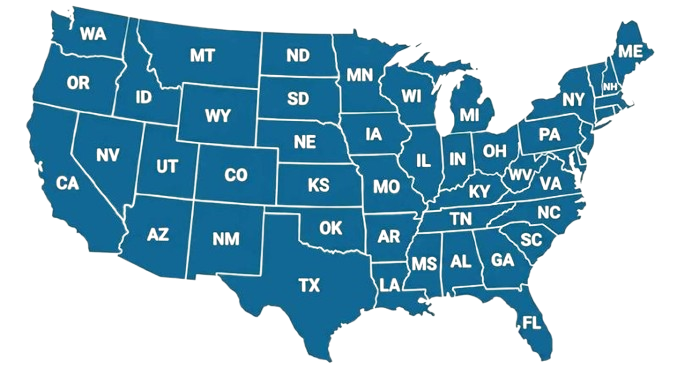
Delivering Electrical BIM Services Across the United States
We provide professional Electrical BIM Services in the USA, helping contractors, engineers, consultants, and construction firms develop accurate and coordinated electrical system models for modern building projects. As a trusted provider of Electrical BIM Services, we create detailed 3D models that support lighting design, power distribution, cable routing, and electrical coordination within BIM environments. Our BIM specialists convert CAD drawings, PDFs, and design inputs into intelligent electrical BIM models with precise geometry, coordinated layouts, and structured data. These BIM-driven models improve system visualization, reduce clashes, and allow project teams to plan and execute electrical installations with greater accuracy.
We support electrical BIM projects across major construction markets in the United States, including:
How We Work
Our Electrical BIM Workflow
We follow a structured workflow to deliver accurate and coordinated Electrical BIM Modeling Services. From design review to final model delivery, our process ensures precision, coordination, and construction-ready outputs.
01
Concept & Consultation
The first step we take towards your project is to know about your objectives and the technical challenges of the project. Our professionals work hand-in-hand with the stakeholders to establish the scope, expectations, and a solid ground for efficient and quality delivery of the BIM.
02
Design & Planning
Our team is able to produce coordinated BIM models that are clear and precise, reflecting design intent. We also plan and validate to ensure there is an optimized workflow, fewer conflicts, and improved coordination of all project disciplines.
03
Development & Execution
We have approved designs that we convert to fine BIM models, ready to construct. Our execution phase stresses compliance and accuracy which the effective coordination is achieved, and the rework is reduced, enabling projects to proceed smoothly.
04
Final Delivery & Handover
We provide complete validated BIM models and documents depending on the project requirements. We have a well-organized handover approach that guarantees a seamless transition operation, and proper data accessibility with long-term functionality to the construction, operation, and facility management teams.

- 2k+



Align with Businesses that Choose Quality
Industries We Serve with Electrical BIM Services

Commercial Buildings

Residential Developments

Healthcare Facilities

Educational Buildings

Hospitality & Hotels

Industrial & Infrastructure Projects

High-Rise Developments
Recent Projects
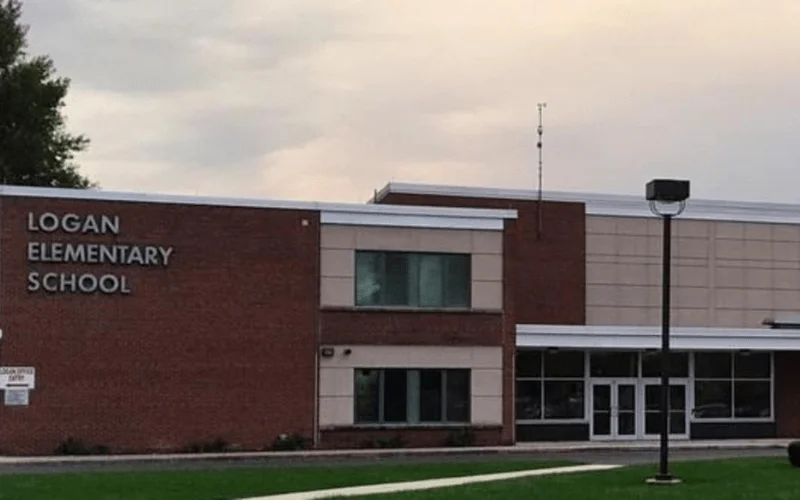
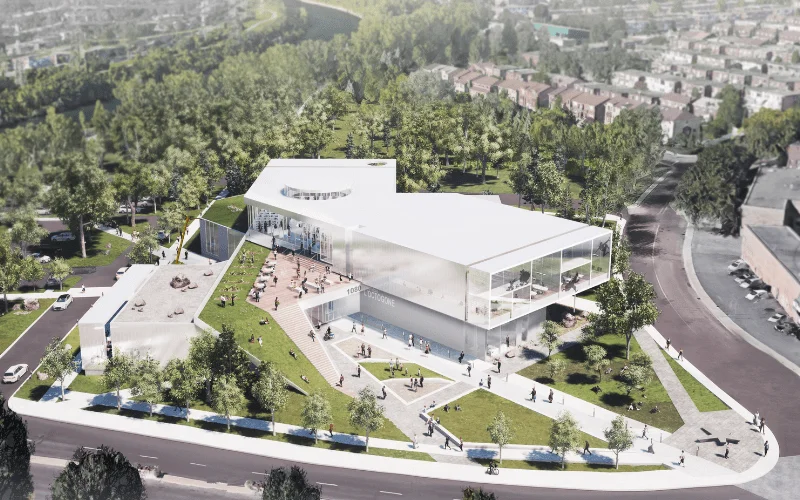
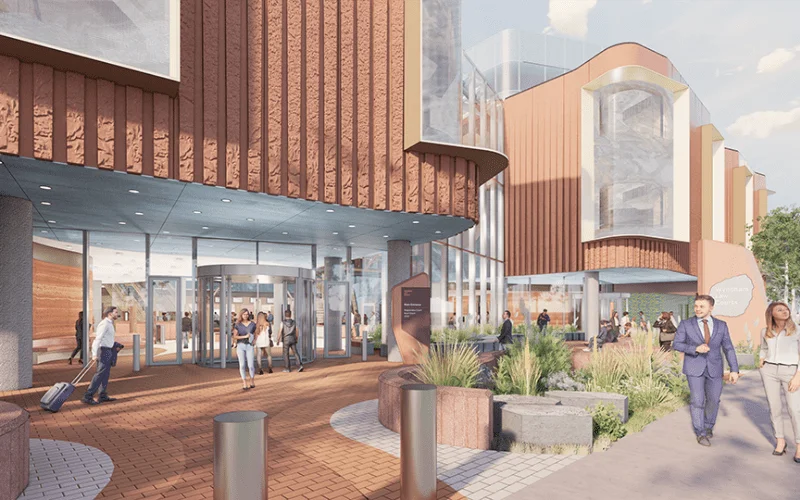
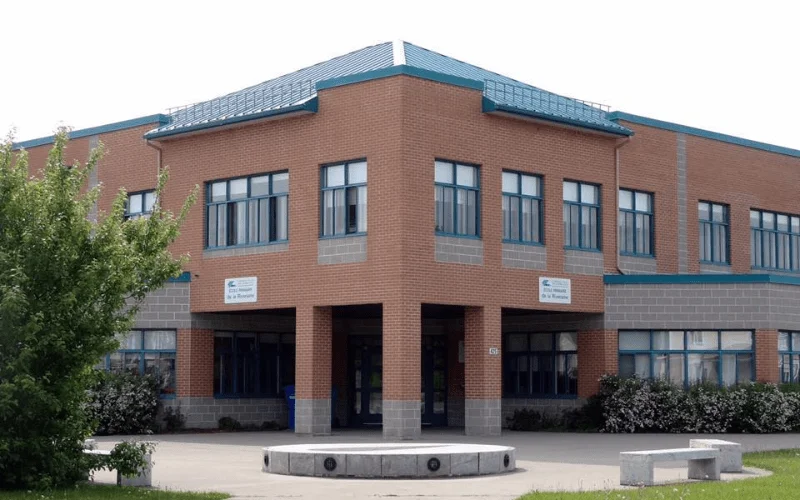
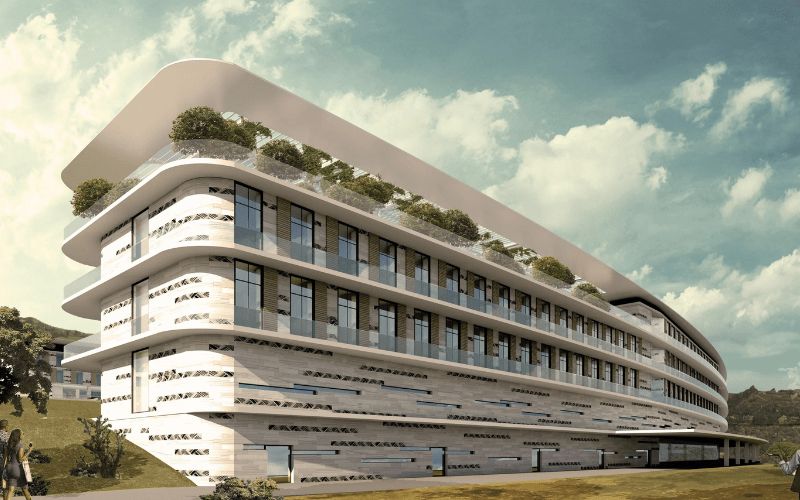
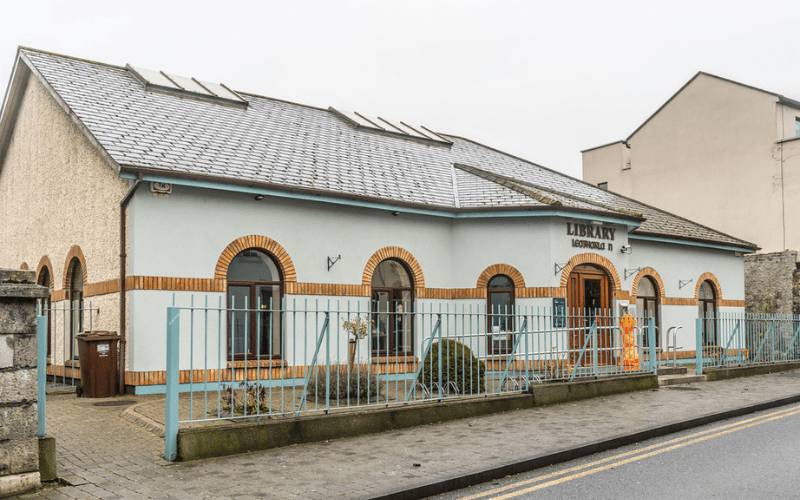
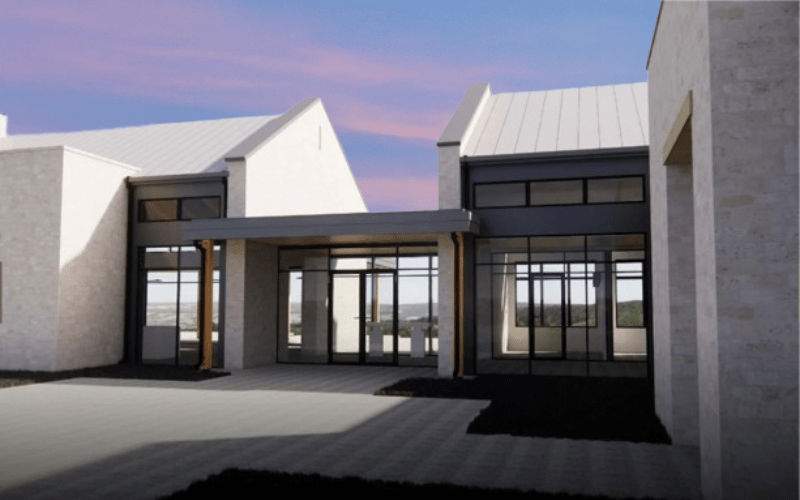
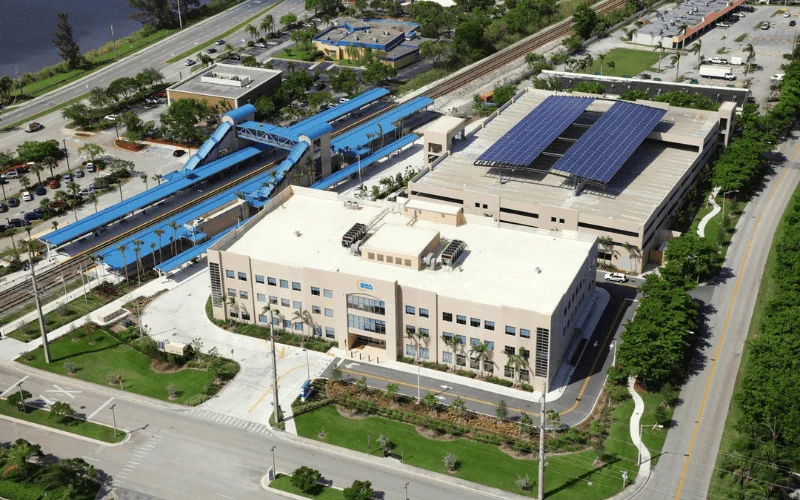
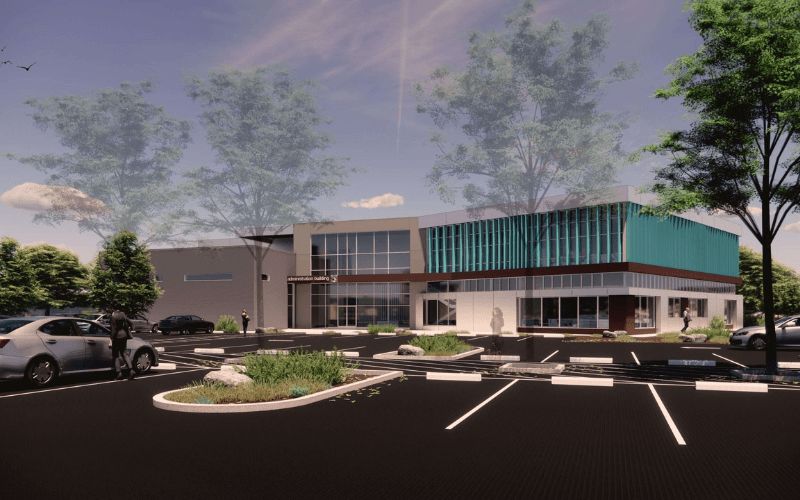
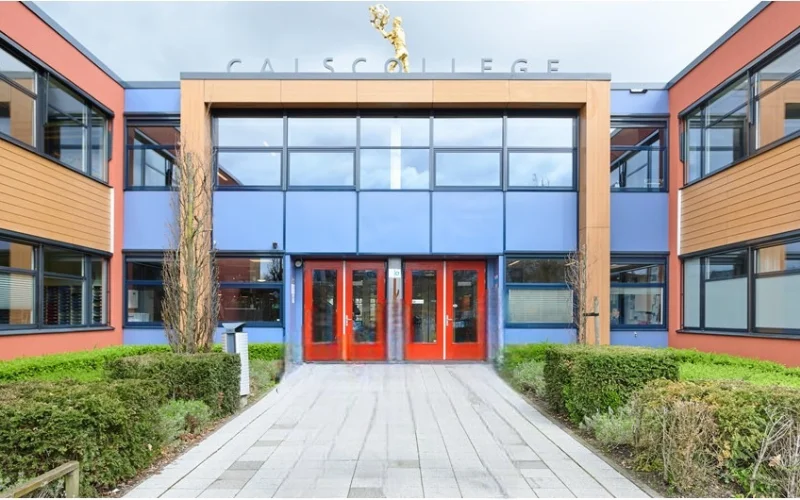
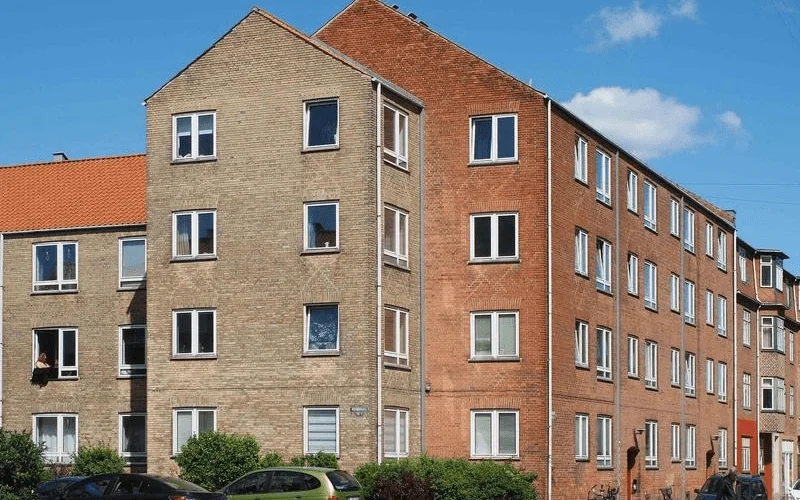
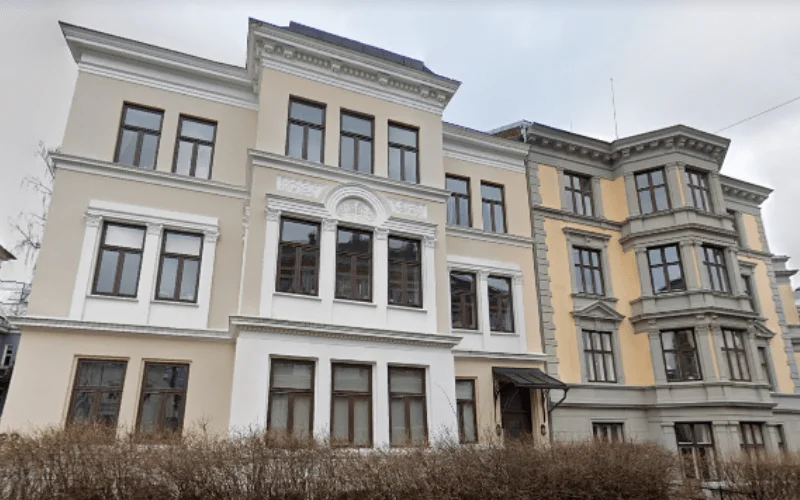
Delivering 2,500+ Electrical BIM Modeling Services Projects Across the USA
With over 12 years of experience, ASC Technology Solutions has successfully delivered 2,500+ BIM modeling and coordination projects across the United States and global markets. As a trusted provider of electrical BIM services in the USA, we deliver accurate, coordinated, and construction-ready BIM models aligned with project standards.


















Unlock advantages
Benefits of Our Electrical BIM Services
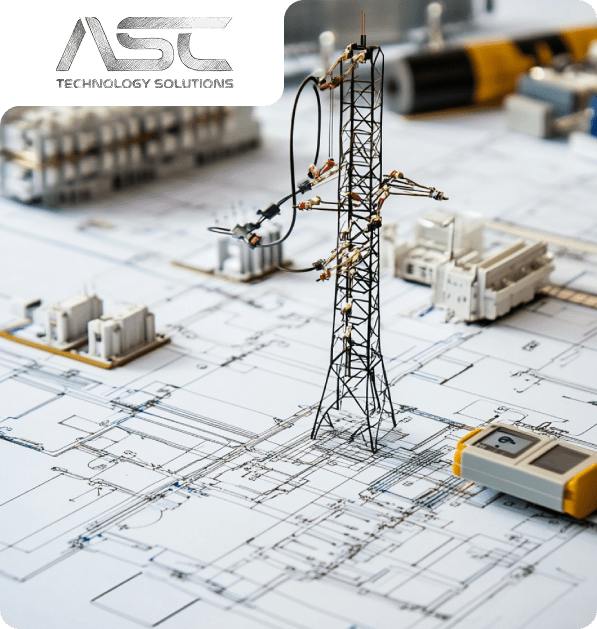
- Our Electrical BIM Services improve coordination, safety, and efficiency across all project phases.
- We provide advanced Electrical BIM Modeling Services that help detect and resolve clashes between electrical systems and other building components before construction begins.
- Our Revit Electrical Modeling Services improve design accuracy, enabling engineers to develop efficient system layouts and optimize electrical distribution.
- Detailed BIM models enhance the visualization of electrical systems, including lighting layouts, cable routing, and equipment placement.
- We support better collaboration between architects, engineers, and contractors through coordinated BIM workflows.
- Our models improve project planning, reduce rework, and ensure efficient installation and long-term performance.
Why Choose ASC Technology Solutions for Electrical BIM
Experienced Electrical BIM Specialists
With more than 12+ years of industry experience and 2,500+ BIM projects completed, our team has strong expertise in delivering accurate electrical BIM services across various building sectors.
High-Quality Coordinated Electrical Models
Our BIM models are developed with precise geometry, optimized layouts, and structured data, ensuring efficient coordination of lighting systems, cable routing, and electrical components.
Flexible BIM Outsourcing Support
We provide scalable Electrical BIM Services that help contractors and engineering firms expand their project capacity without increasing internal resources.
Industry-Leading BIM Tools
Our BIM experts use tools such as Autodesk Revit, Navisworks, AutoCAD MEP, and BIM collaboration platforms to deliver highly accurate modeling and coordination.
Expertise Across Multiple Project Types
We deliver electrical BIM services for commercial, residential, healthcare, industrial, and infrastructure projects.
Reliable Coordination with Project Teams
Our team works closely with architects, engineers, and contractors to ensure seamless coordination and smooth project execution.
Cost-Effective BIM Solutions
Our optimized workflows reduce rework, improve efficiency, and help maintain project budgets without compromising quality.
Trusted Electrical BIM Partner
We are committed to delivering reliable Electrical BIM Services that improve coordination, enhance accuracy, and support long-term project success.
Client Success Stories
What Clients Say About Our Electrical BIM Services
Real feedback from clients who trust us for precise modeling, smooth coordination, and dependable project support.


Thank you guys for completing the project on time. We are happy the way specs were understood and implemented by ASC team. Look forward to work with you guys again.

The turnaround time was short and we used ASC team as extended BIM team for coordination and shop drawings. We liked the communication and quality deliverables.

ASC was quick and responsive despite working in different time zone. We had few challenges due to limited space but the complexity was well managed by ASC team. The quality of the spool and fabrication drawings were exactly what we were expecting.

Model insights
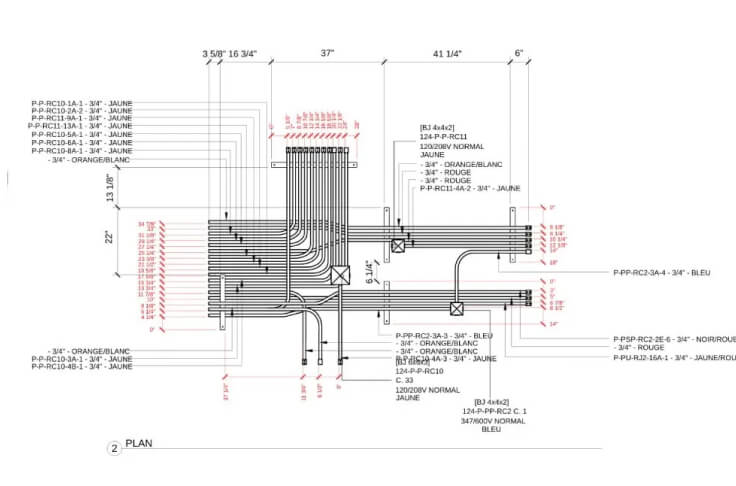
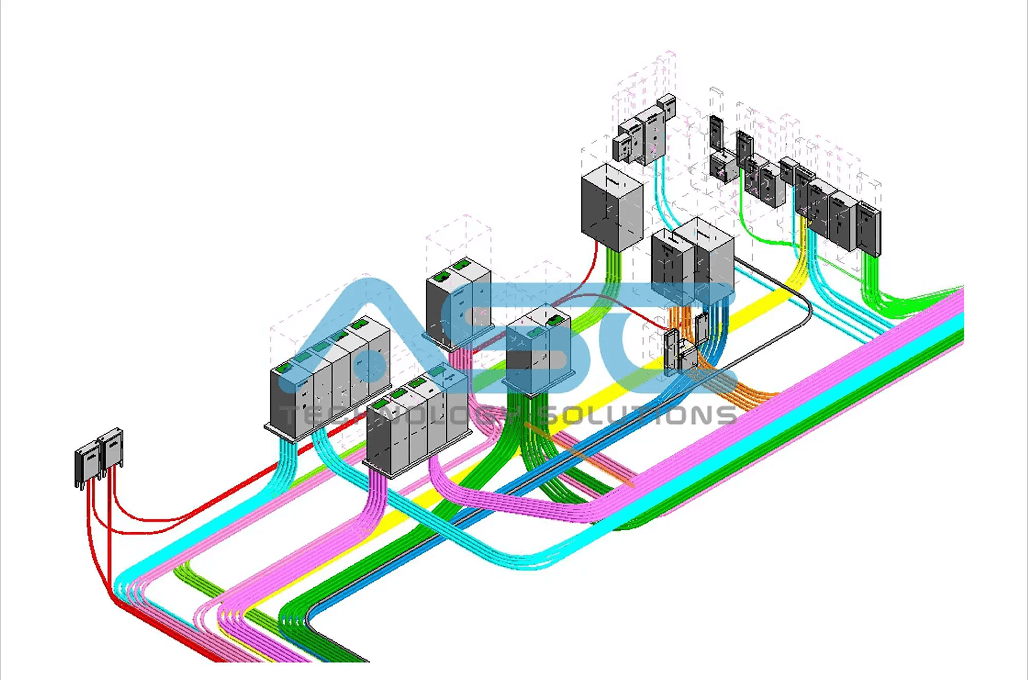
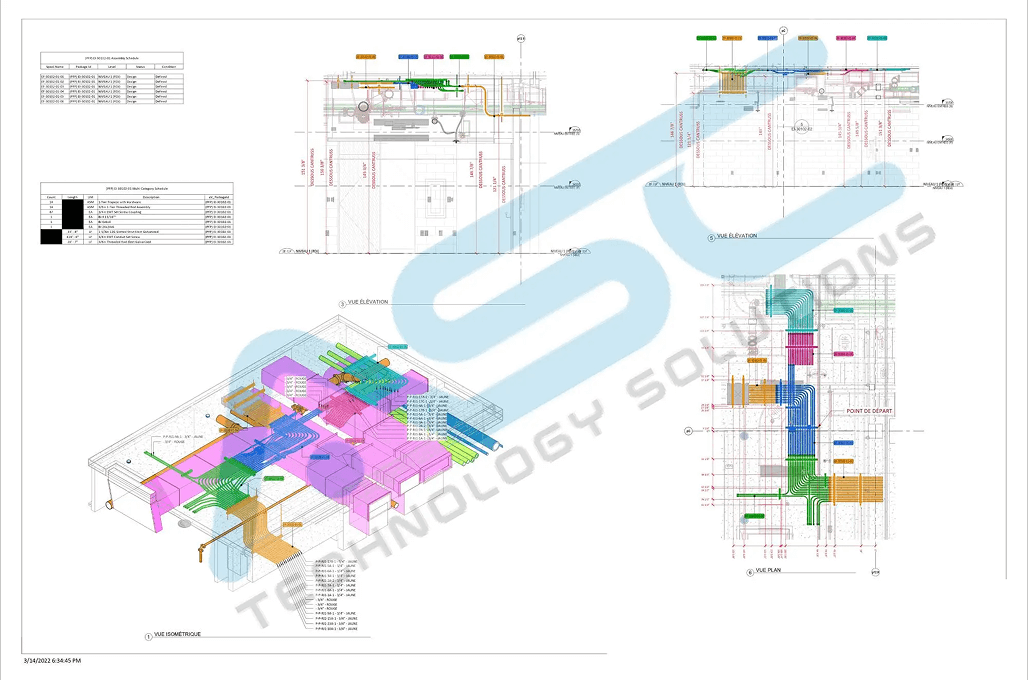
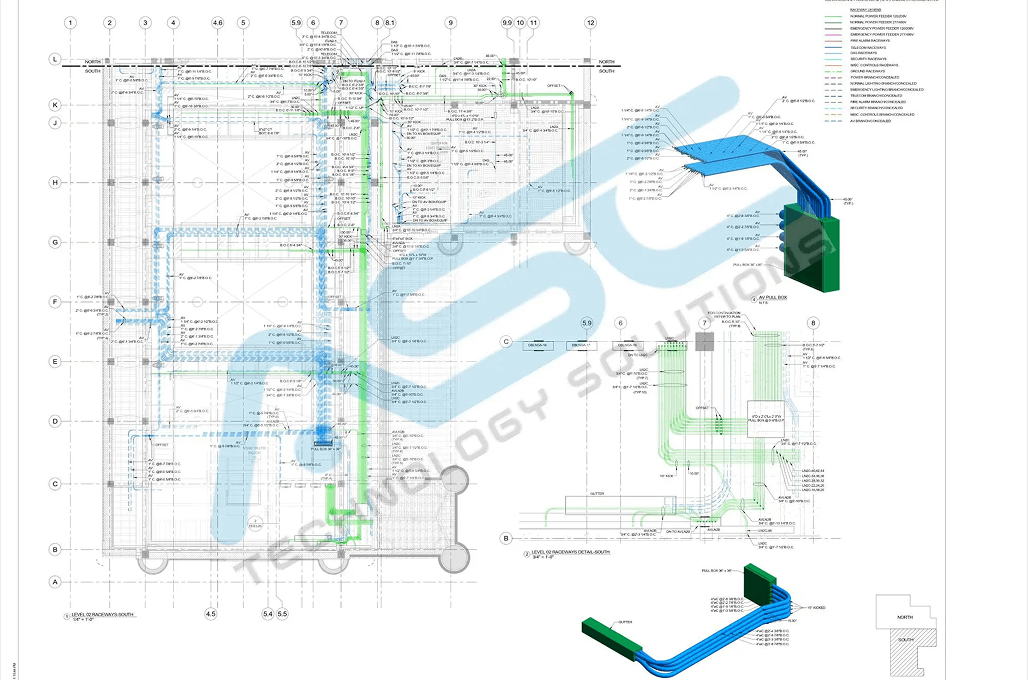
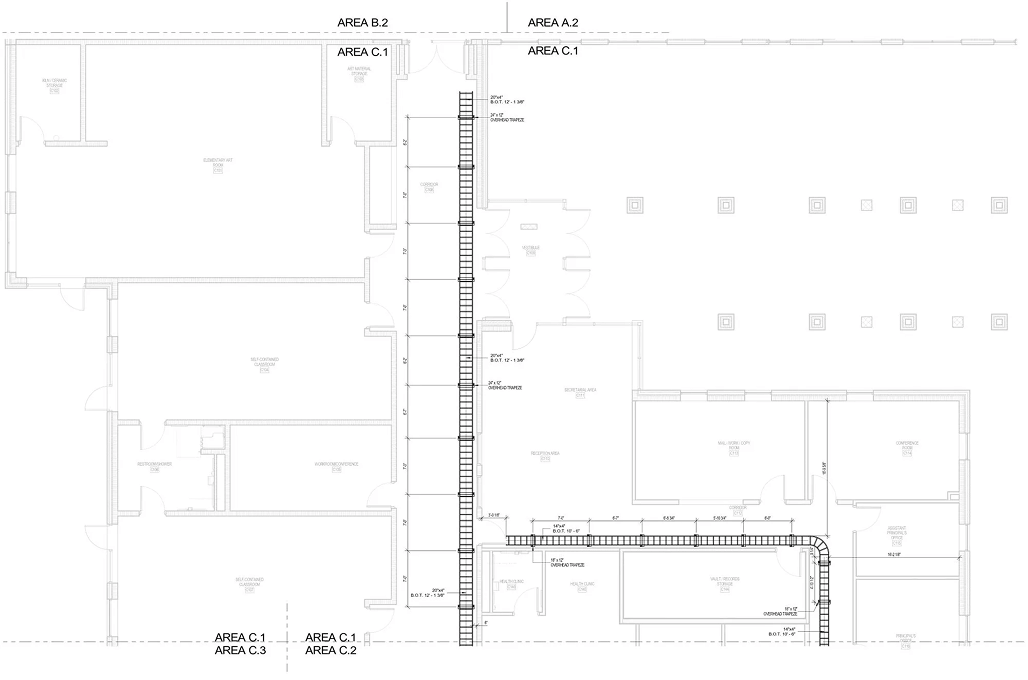
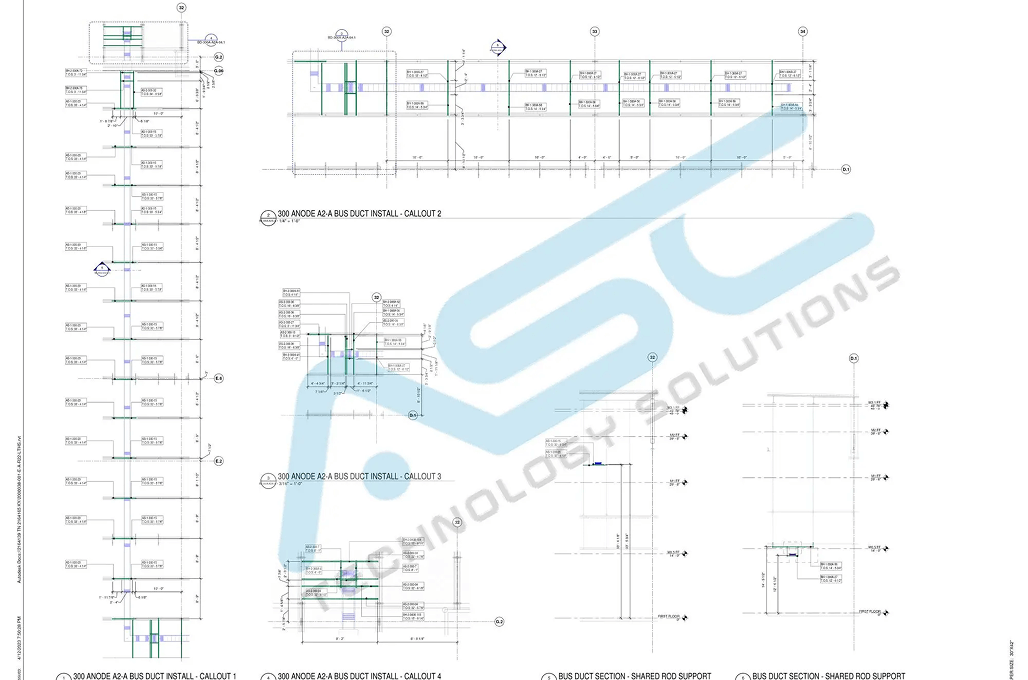
Electrical BIM Drawings & Model Samples
Explore our BIM models and sample drawings to understand how we deliver accurate and coordinated electrical system designs.
Your Guide
FAQs About Electrical BIM Services
Electrical BIM Services involve creating intelligent 3D models of electrical systems such as lighting, power distribution, and cable routing to improve coordination and construction efficiency. Contact us today to discuss your electrical BIM project requirements.
Our services include lighting layouts, cable tray routing, conduit modeling, panel boards, power systems, and Revit Electrical Modeling Services for complete BIM coordination.
They improve design accuracy, enable clash detection, and help coordinate electrical systems with other building disciplines.
Yes. BIM models support facility management, maintenance planning, and future upgrades.
We use Autodesk Revit, Navisworks, and AutoCAD MEP to deliver accurate BIM models.
The implementation best practices are:
- Begin with a small pilot project and perform testing on the workflows.
- Choose the hardware and software appropriately.
- Educate employees on modeling and coordination best practices.
- Set up the project objective and methods of communication with all stakeholders involved.
Make sure that the design involved does not violate pertinent codes and standards such as the National Electrical Code (NEC) or the ISO 19650 standards.
The BIM has the capability of modeling all types of electrical and low-voltage systems, such as:
- Lighting (fixtures, lighting controls, and arrangements of wiring).
- The networks of power distribution (switchboards, panels, power transformers, bus ducts).
- Cable trays and conduits, Cable containment (containers).
- Fire alarm systems
- Data and communication networks (networking components, CCTV).
Electrical BIM has a number of significant enhancements:
- Improved Cooperation: It enables architects, structural engineers, and MEP (mechanical, electrical, and plumbing) teams to work on one model in real-time, and simultaneously, it allows them to communicate with all stakeholders.
- Clash Detection: The process allows detection and resolution of clashes (between the electrical systems and other building components) in a virtual environment before on-site changes and delays (the latter being costly) need to be re-performed.
- Greater Accuracy and efficiency: Because of the detailed 3D visualization, the planning is better, the material takeoffs (Bill of Materials/Quantities) are more accurate, and the components can be prefabricated off-site, and thus the process of installation is simplified.
- Information-Enriched Documentation: BIM models can be information-intensive and hence can be used to create detailed construction documentation, schedules, and reports using model information.