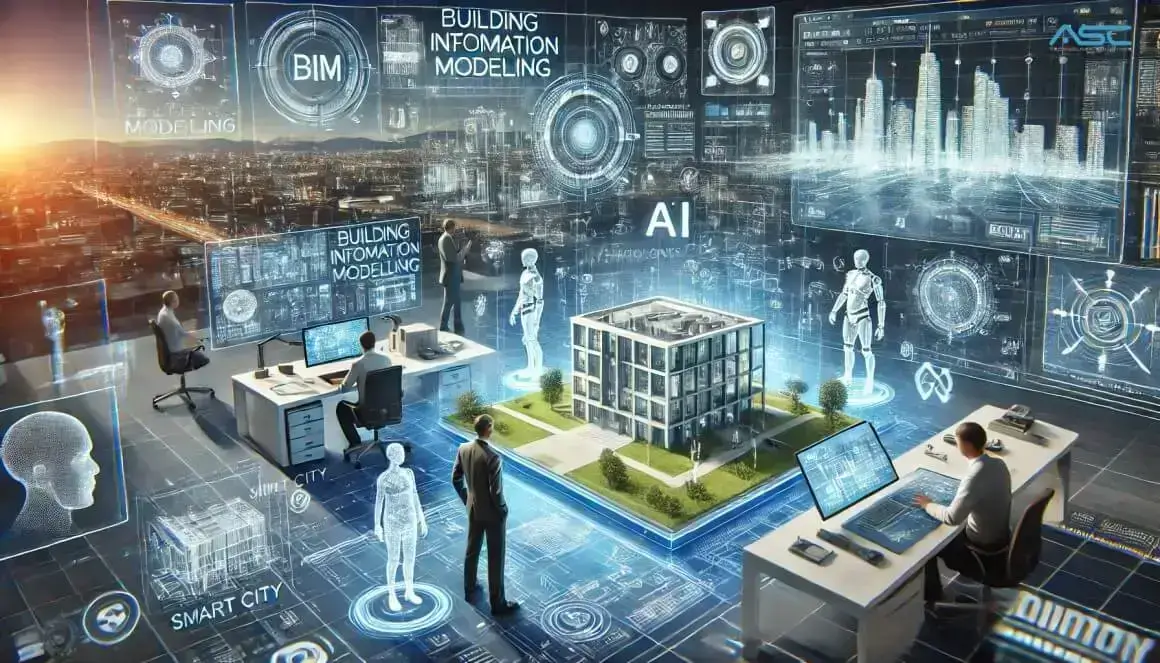
The construction industry is slowly moving into a new technological age with Building Information Modeling (BIM) services being the pioneers. Being the core of modern project design and management, BIM has already revamped the ways of collaboration, visualization, and performance of construction projects. Nonetheless, BIM is most likely to be integrated with advanced technologies including Artificial Intelligence (AI), machine learning, IoT, and the use of augmented reality (AR). Such advancements are likely to change BIM from a robust geometric design tool to an advanced system that can forecast, analyze, and solve numerous problems in a project environment.
In this blog, we will discuss the BIM Services of the future in the light of AI and other advanced technologies that are handy in construction. Starting from the basic ones like predictive analytics, Automated workflows, real-time data integration, and immersive visualizations right up to the advanced level. With this information, industry professionals can plan for how best to realize the full potential of BIM as it continues to evolve.
The Role of AI in Enhancing BIM
BIM services will be on the receiving end of the changes to come with the Artificial Intelligence technology promising to introduce a new level of intelligence into the services. Next, AI techniques can learn features from large amounts of data in BIM models and use those features to make predictions. For example, it can predict structural problems or the time required for a task based on design factors other projects completed, or conditions in the environment.
Furthermore, it also leads to the area of generative designing where AI designs different options of the product on its own using pre-set parameters concerning its looks, cost, and even eco-friendliness. This allows architects and engineers to find better solutions and do it at a faster pace and with higher accuracy. It also handles the analysis of some physical processes like clash detection and costing leaving the professionals to engage themselves in more creative work and strategic planning in their respective undertakings.
Integration with IoT for Real-Time Data
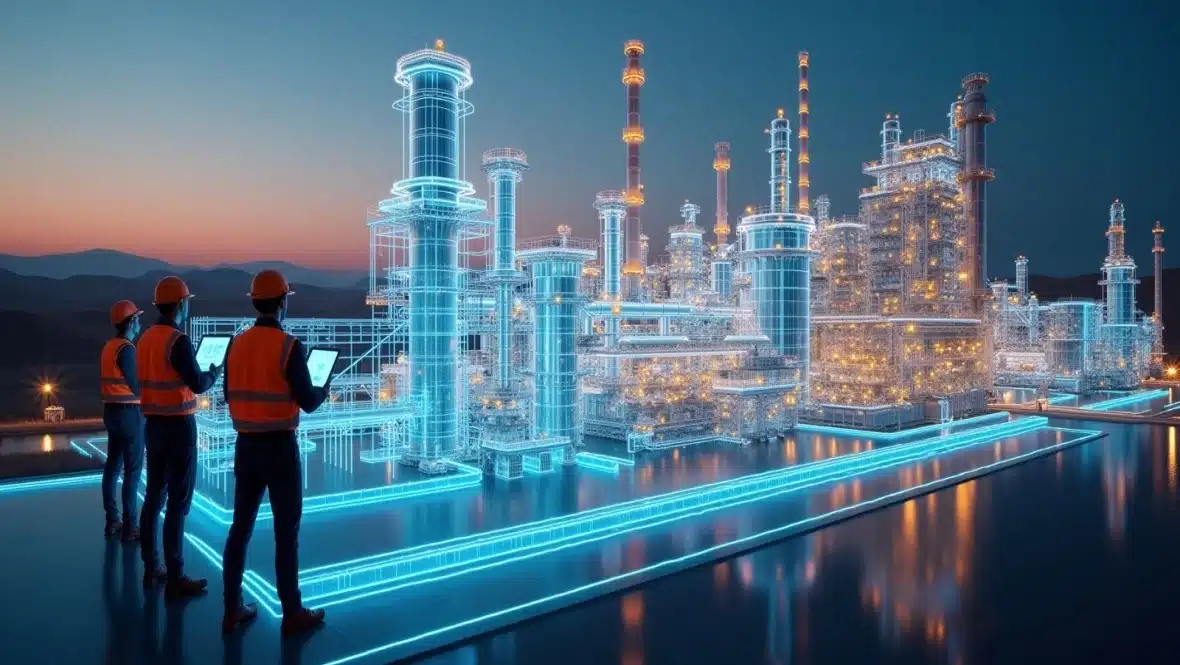
Another technology that has the potential of disrupting the provision of BIM services is the Internet of Things (IoT) as it integrates the physical asset model into the digital model. The IoT sensors installed within construction sites or built-up structures can therefore update BIM models about the state of the structure, energy consumption or environmental conditions.
This integration makes it possible to manage projects from within the live environment and make changes where necessary. For example, IoT in BIM technology helps the construction industry to track the progress of construction activities and details of the usage of equipment, as well as the identification of safety issues in real-time. When a project is delivered, IoT and BIM can work hand in hand to offer constant updates and information concerning the management of facilities.
Key Advancements Shaping the Future of BIM Services
- Machine Learning in Risk Management:
This enables risk identification by looking into the past, for instance there was a shortage of raw material the learning systems will predict the same and advise on the best course of action to follow because of the possible delay they predict due to weather conditions. - Augmented and Virtual Reality:
AR and VR are extensions of BIM models in that it is possible to walk around designs or conduct a time-rise construction simulation before physically constructing actual structures. - Digital Twins:
BIM is a natural progression into digital twins that allow continuity between the built and digital environment, and translate to improved life cycle management and practicality of the building. - Sustainability Analysis:
Integration of BIM with other advanced technologies can offer an environmentally friendly build – this involves offering carbon credits to a particular project, thereby estimating its environmental score on a particular project or even offering solutions to the kind of energy-efficient designs that should be incorporated in the project.
Transforming Decision-Making and Collaboration
Currently, with the adoption of new technologies, BIM services are developing into a useful tool for decision-making. The utilization of AI analysis offers optionality, which only enhances project teams’ decision-making processes involving design, materials, and timelines. Cloud-driven forms of BIM enhance real-time collaboration among stakeholders and help overcome communication-based issues to enhance project results.
This advanced decision-making also applies to sustainability intervention where through BIM tools with integrated AI it can measure sustainable consideration to designs and recommend more sustainable practices. As a part of the BIM services, construction and architectural projects are aligned with the international sustainable objectives that help render construction services while preserving the environment.
Conclusion
The evolution of BIM services has forced it to rely on the implementation of AI and other improved technologies in the future. With the integration of tools like AI, IoT, and AR BIM is scaling up to an intelligent environment that has the potential to change the very face of the construction industry.
These innovations are set to improve productivity and workflow, reduce environmental impact, and increase integration throughout the construction sector to create a more effective and efficient construction sector.
Indeed, in the ever-fast-changing construction sector, it will be imperative to address these issues if construction professionals are to set a pace in embracing future trends. The integration of BIM with Technologies is the approach to a new era, an era of Creativity, Intelligenc,e and Technologies for the built environment.
Leading BIM services provider. Adding Innovation and Excellence to the BIM Services.