

Utility Survey & Mapping
Optimising Infrastructure with Reliable Utility Data

Advanced Utility Mapping for Smarter Infrastructure Management
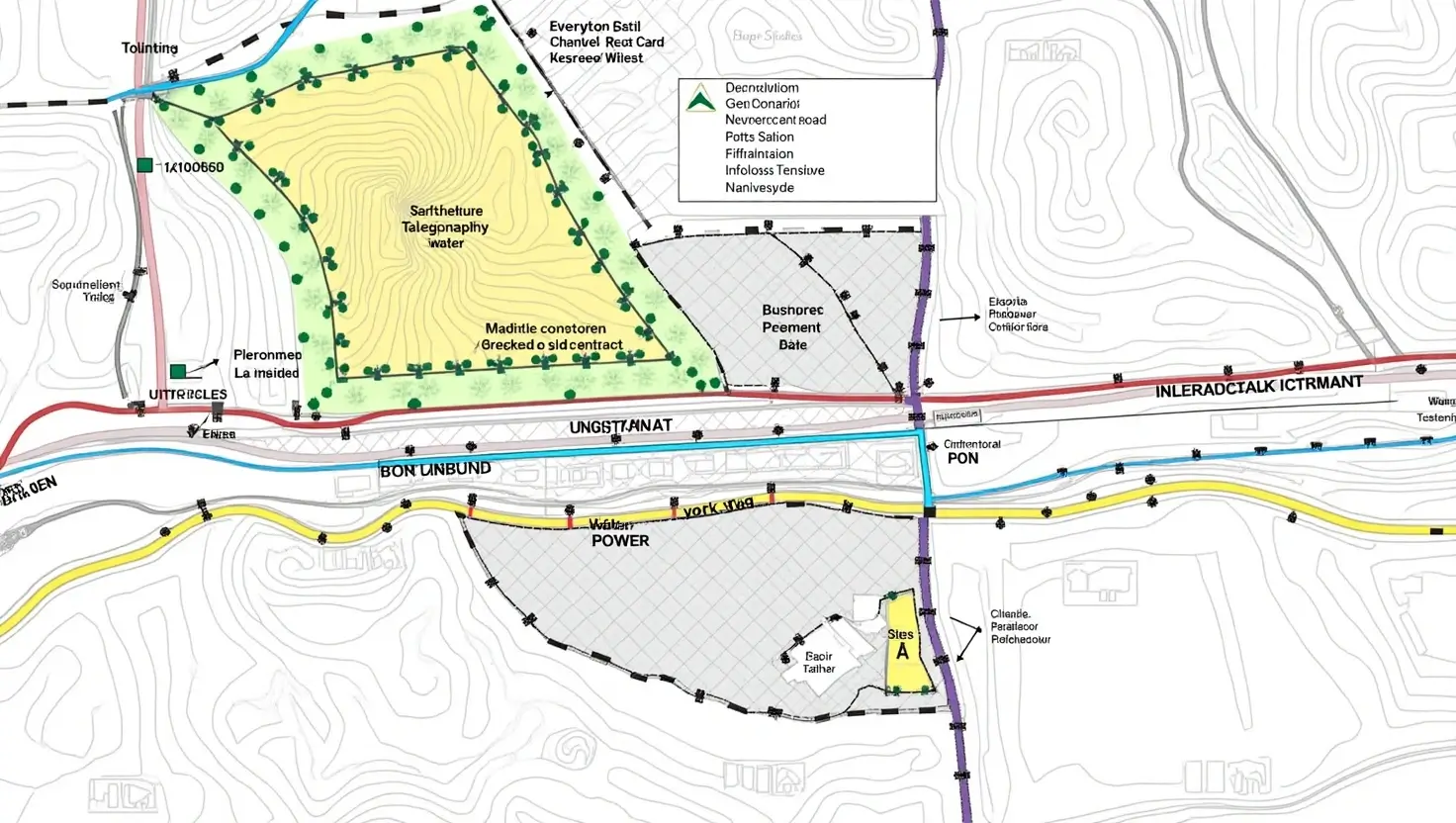
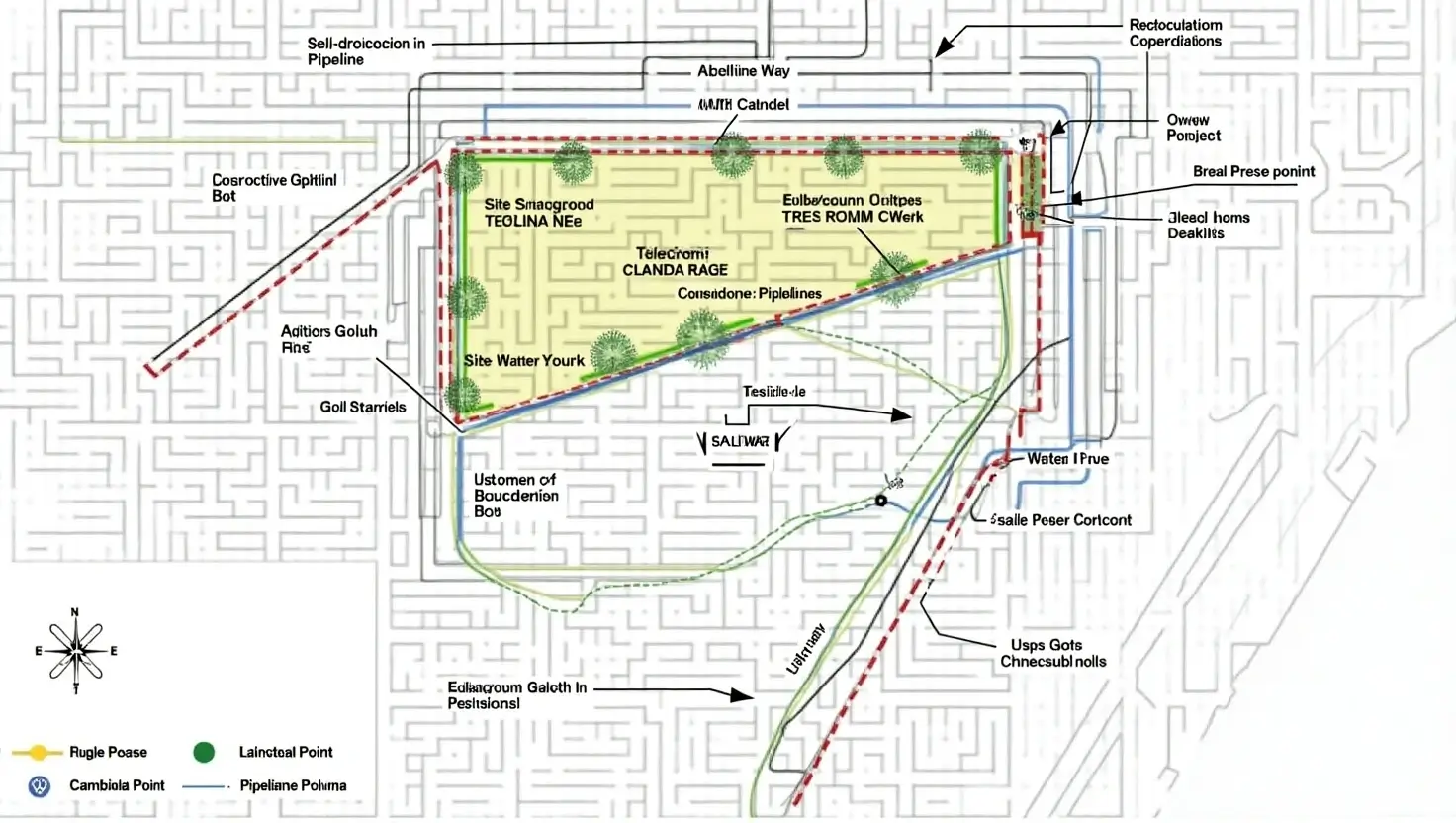
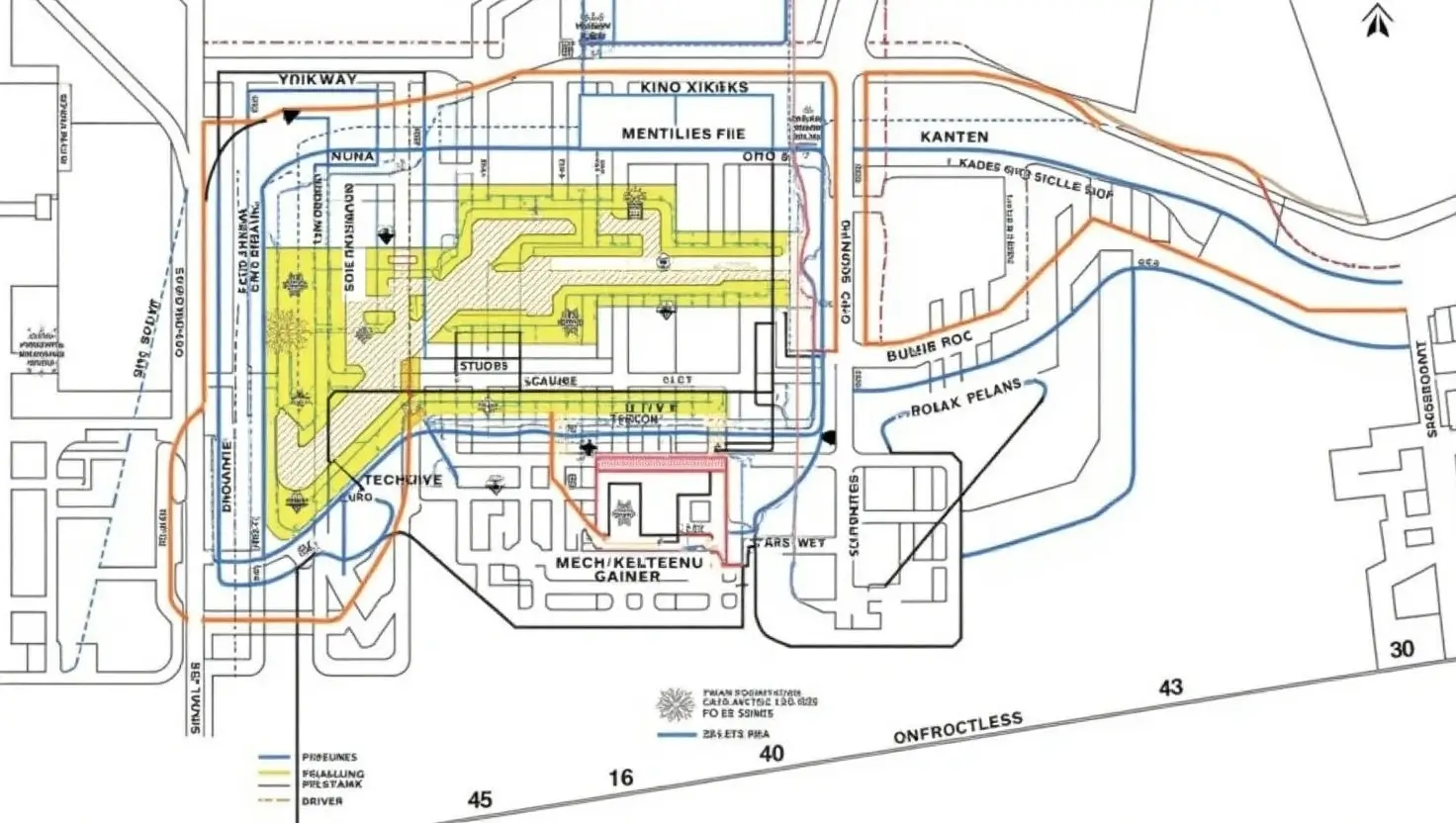
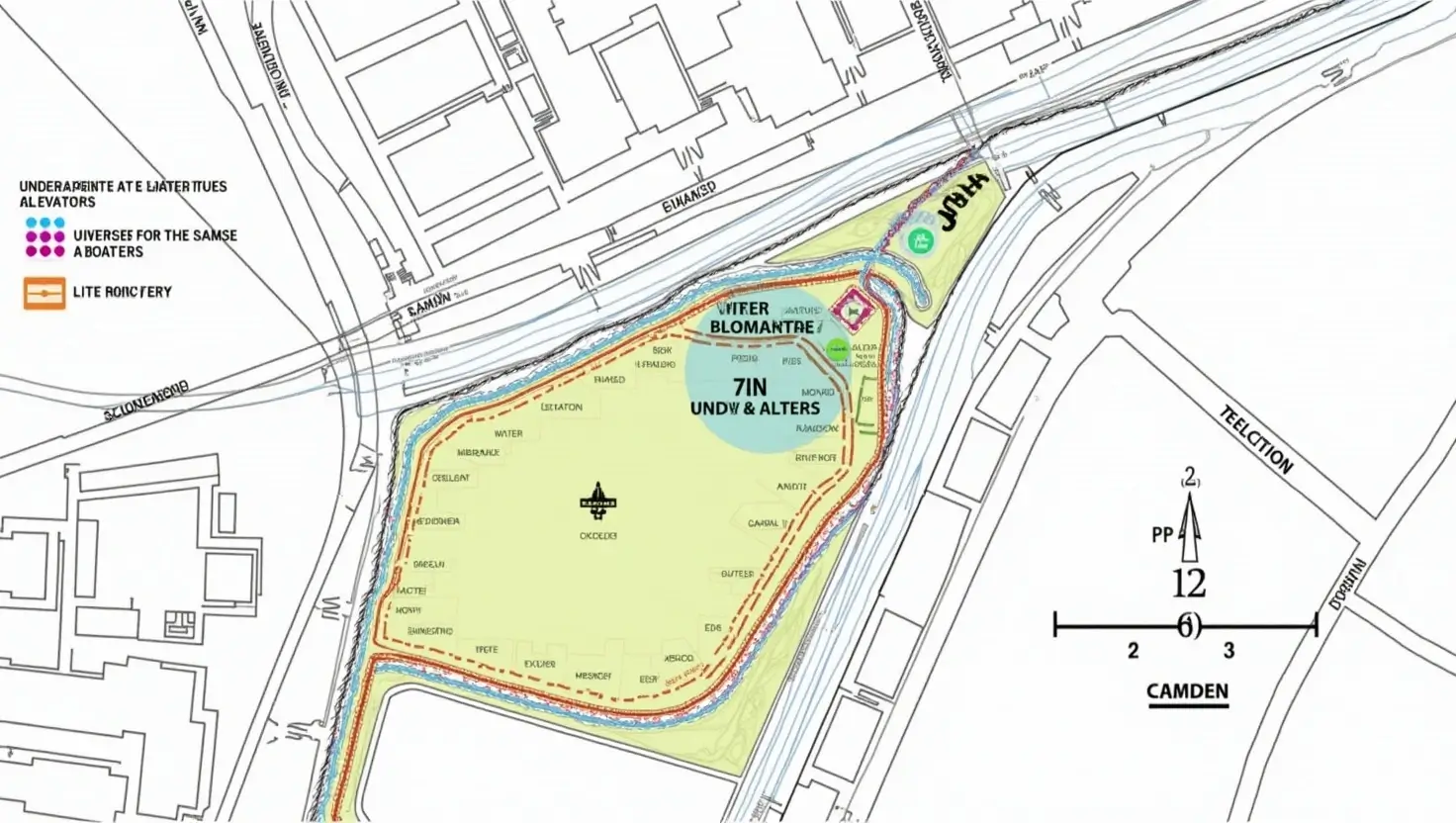
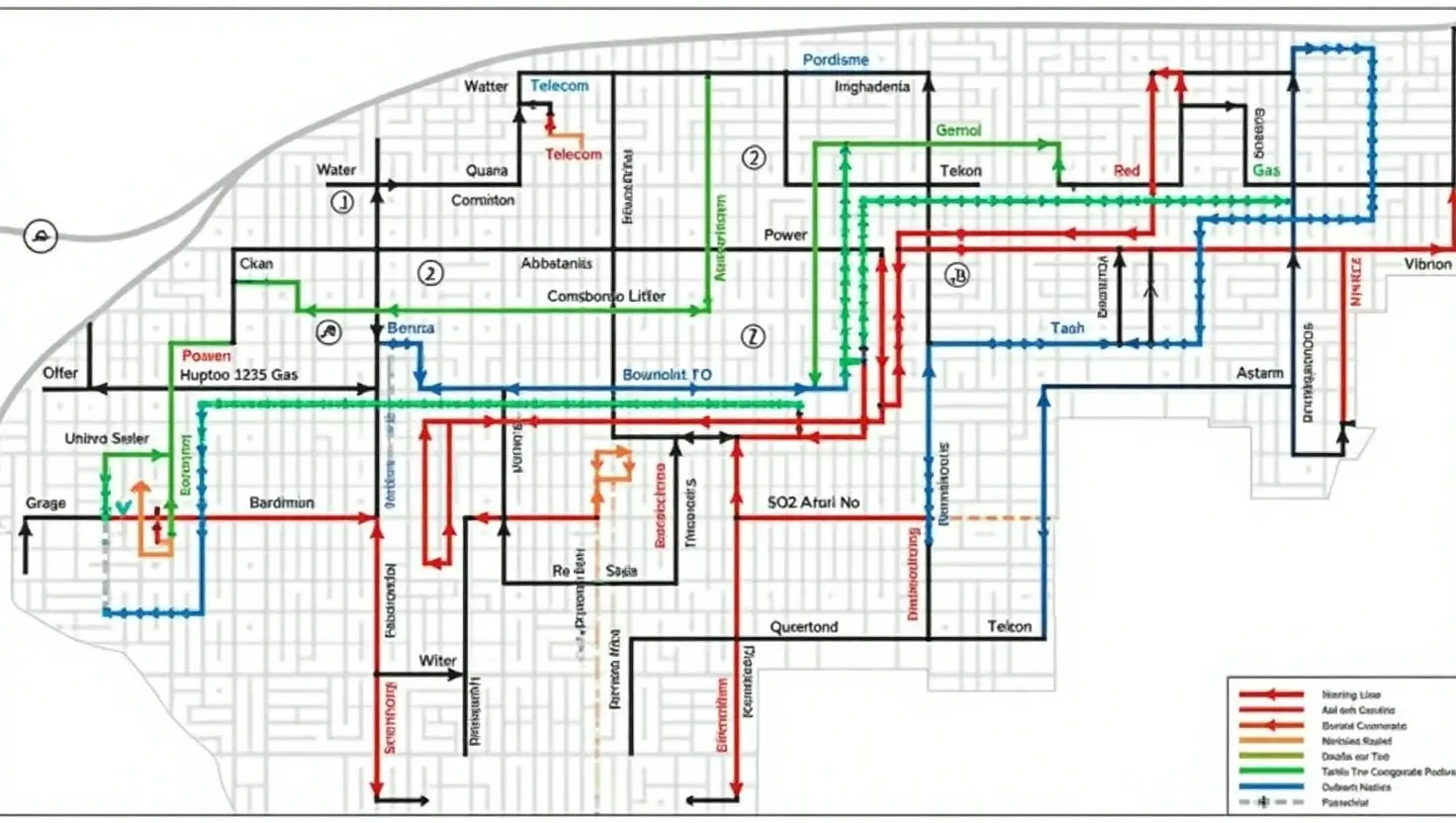
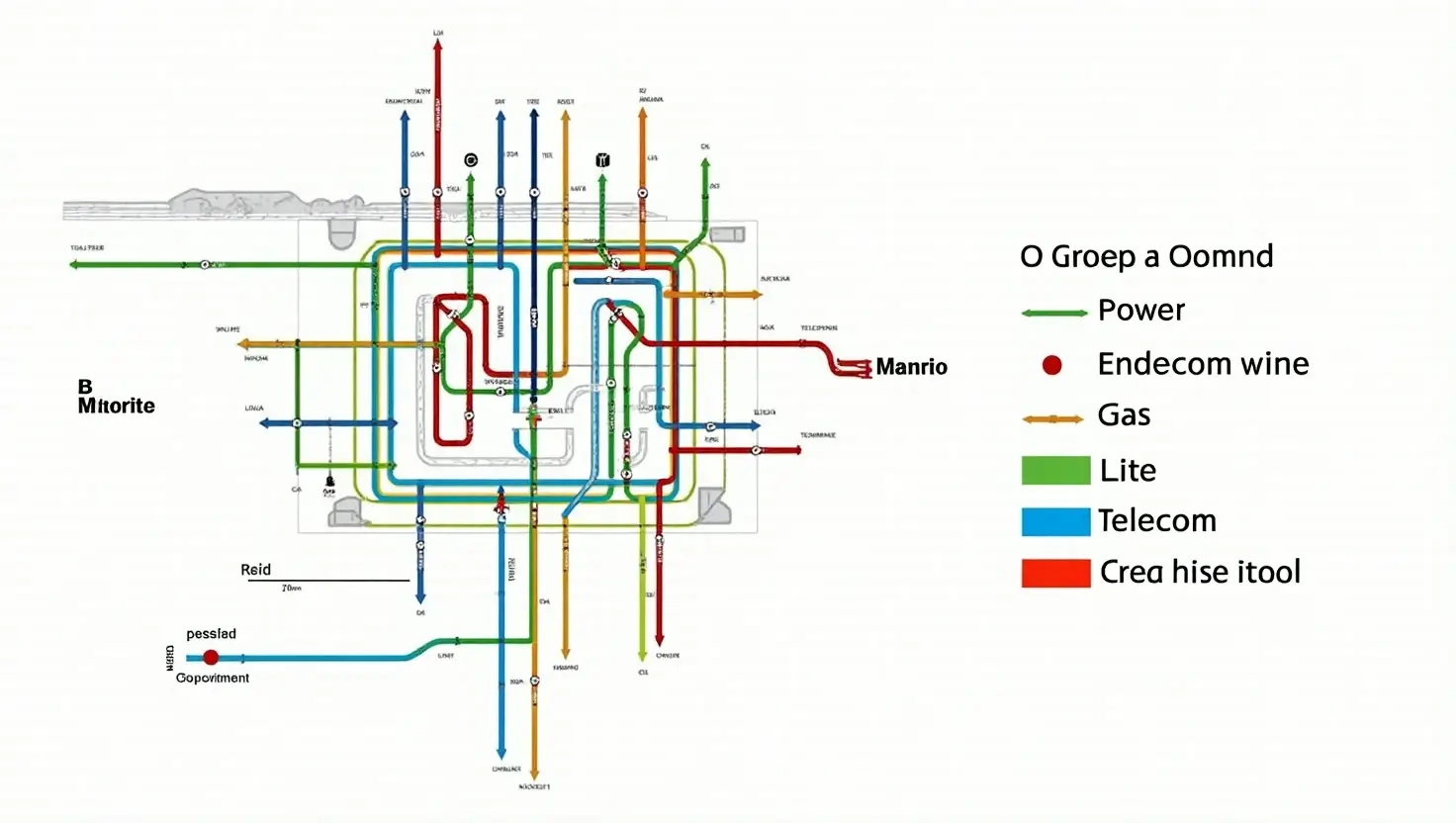
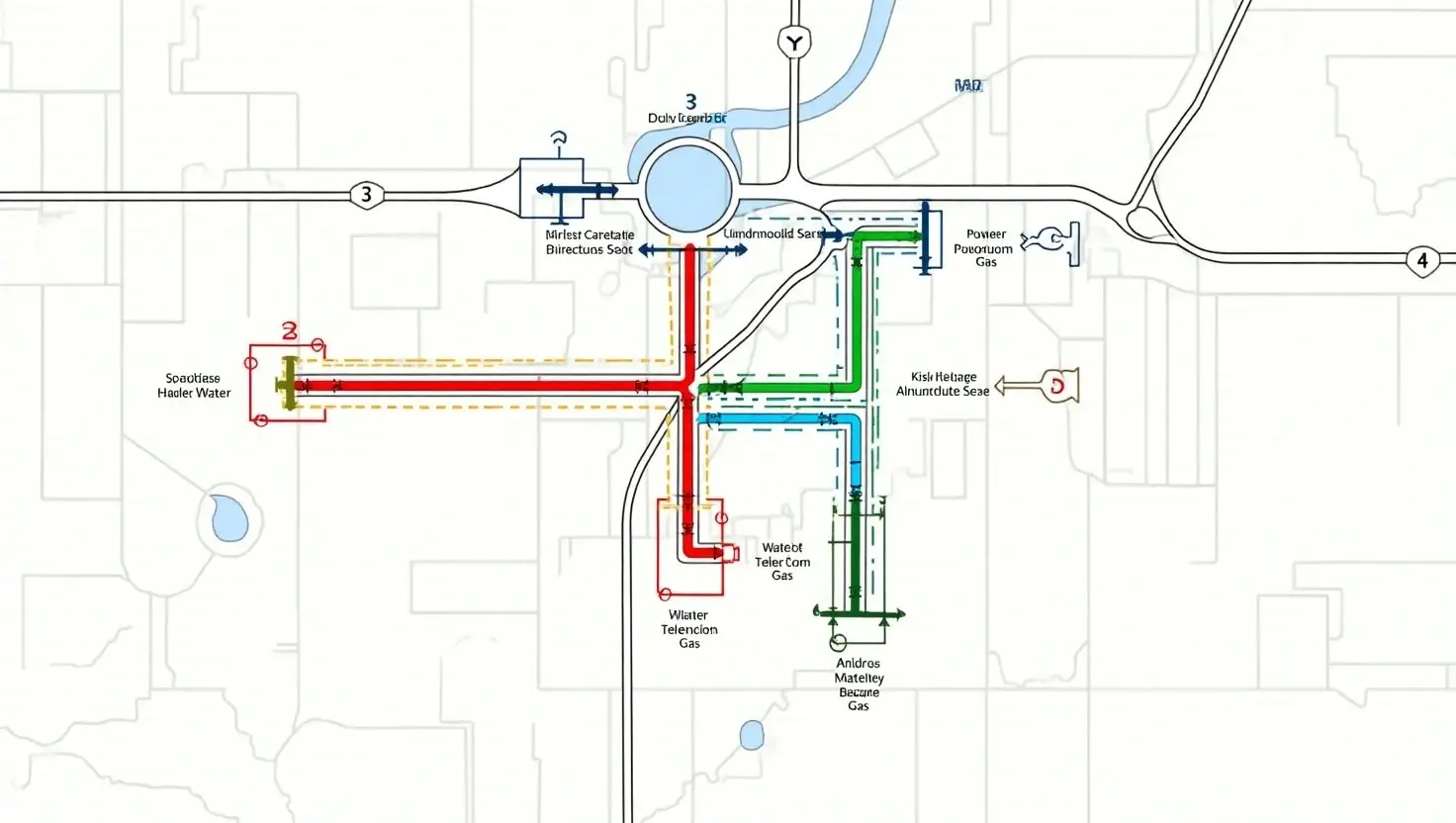
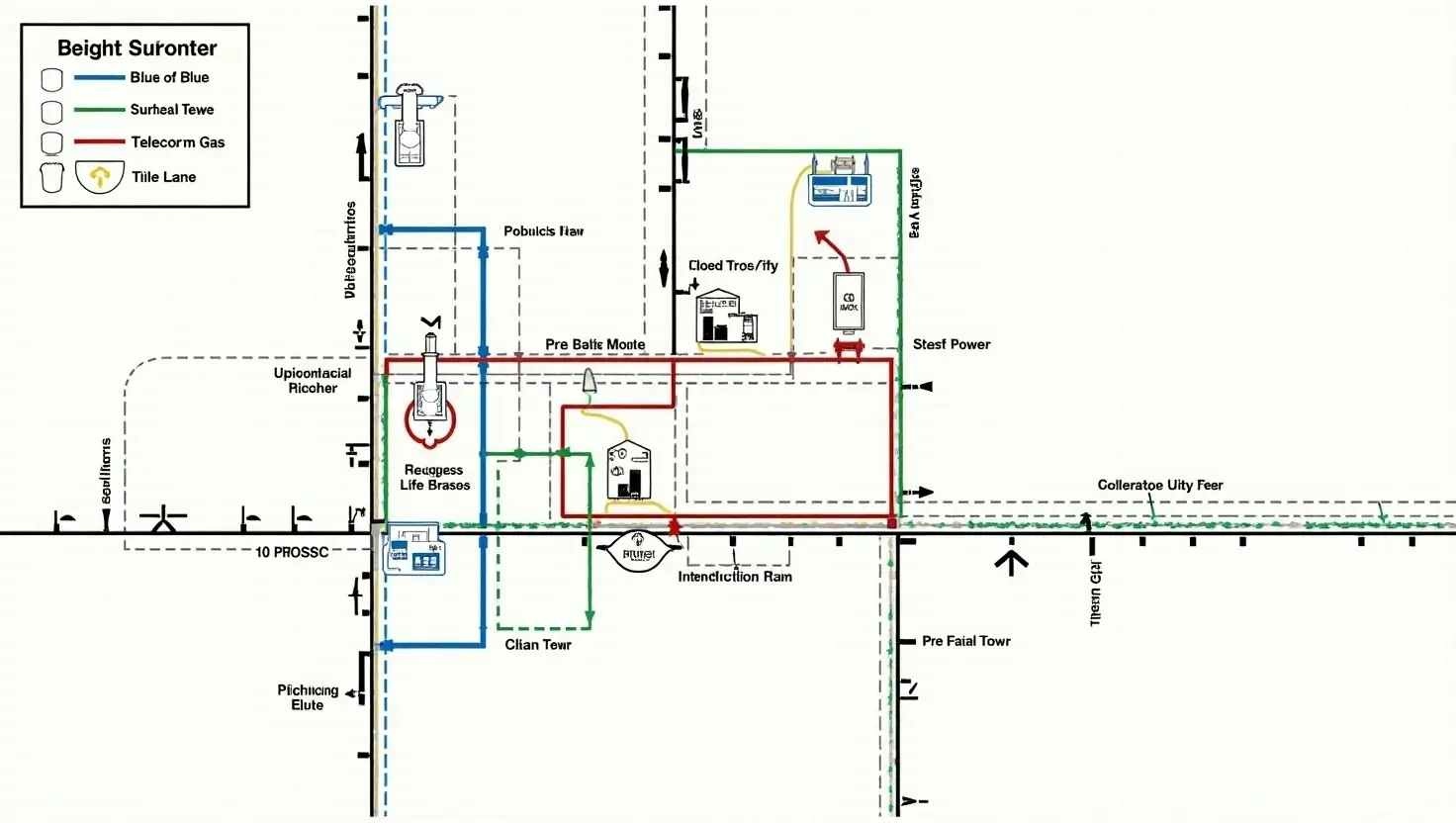
The utility survey and mapping solutions provided by ASC Technology Solutions enable organisations to map and efficiently handle essential infrastructure components like power lines along with pipelines water networks and telecommunication assets. Using advanced GIS and LiDAR technologies we provide accurate spatial data which supports the management of assets and maintenance planning and risk assessment procedures. Operational efficiency increases through our solutions while regulatory standards remain in compliance. Our solutions ensure regulatory compliance while optimising operational efficiency, minimising potential conflicts, and reducing project risks.
Trust us With Your Utility Survey and Mapping Needs
Our expertise in Subsurface Utility Engineering (SUE) and cutting-edge georeferencing methods help us generate precise maps of underground and surface utilities. We merge geophysical methods with bathymetric procedures and survey methods together with non-destructive testing to give accurate location information about infrastructure utilities. Our data collection system produces 2D and 3D BIM/CIM models using which we enable advanced planning and conflict prevention before construction starts. Through outsourcing services, we offer utility mapping solutions that combine cost-effectiveness with high-quality standards to ensure that project execution becomes smoother safer and more efficient.

Your Trusted Partner for Utility Mapping and Subsurface Detection
ASC’s Utility Surveying Services: Ensuring Safer & Efficient Construction
Comprehensive Utility Survey and Mapping Services for Contractors
Construction
The process of utility survey and mapping provides essential safety during excavation and trenching work in construction sites. Understanding the location of infrastructure through surveying avoids accidents that damage underground lines and cables. The process reduces both site delays and lowers maintenance expenses while creating a safer construction environment.
Urban Planning
Utility mapping produces accurate results that help urban planners perform effective maintenance and development projects for infrastructure. Detailed information about underground networks helps planners stop service disruptions while preventing conflicts between new infrastructure and preexisting network elements. The long-term reliability and smart city development heavily depend on proper utility mapping.
Emergency Response
Utility mapping solutions help teams execute their emergency responses effectively when dealing with issues like gas leaks water main breaks and electrical failures. First responders rely on this information to find hazards rapidly and ensure public security. Disaster preparedness receives enhancement through utility mapping because these maps help decrease operational delays and protect services from additional destruction.
Environmental Assessments
Environmental assessments within utility mapping serve to determine how utilities affect surrounding natural ecosystems. The analysis of soil conditions coupled with groundwater flow and vegetation provides assessments which enable environmental regulation compliance. The assessment procedure reduces the likelihood of environmental hazards such as contamination habitat damage and soil erosion.
Benefits of Outsourcing Utility Survey and Mapping Services
Commitment to Excellence in Utility Survey & Mapping
- The outsourcing of utility survey and mapping services provides companies access to innovative technology alongside expert analysis without adding expensive internal resources. Accurate utility mapping results from these methods to identify buried assets thus reducing potential hazards for construction projects
- Through partnerships with professional surveyors businesses enhance their operations regarding infrastructure planning and asset management procedures. Mapping procedures deliver accurate details which lets operations maintain efficient maintenance activities while optimising resources and meeting industry standards
- The cost benefits become substantial because outsourcing eliminates both specialised equipment expenses and employee training needs. Utility detection accuracy combined with urgent data processing ensures safer excavation operations which reduces project expenses while improving long-term delivery.
Why Choose Us for Your Utility Survey and Mapping Service Needs
Subject Matter Expertise
Our team is well-versed in what they do. They are conversant with the local codal provision and understand industry-specific standards.
Working In Your Timezone
Often, we see our clients want to be connected to the team they are working with for better and quick communication. Hence, we work on your time zone.
Competitive Pricing
We offer competitive pricing starting from $16 per hour depending on the project scale, resource type and scope of the projects.
Robust IT Infrastructure
Data secured FTP, licensed and the latest version of hardware and software toolset ensures error-free designing, modeling, and overall project execution process, diminishing technical glitches.
Training & Development
Arrangement of multiple training and development programs for our engineers to upgrade their software skills and update with the latest technology ensures a premium client experience.
Policy
Contract agreements before project kick-off and standard guidelines eliminate miscommunication and ensure a constructive approach toward business relationships.

Sample Drawings
- All
- Architectural
- Mechanical
- Plumbing


Our Projects
Frequently Asked Questions
What is a utility survey?
Utility surveys entail identifying and creating maps of existing underground pipes, overhead cables, lines for water methods, gas systems electrical systems and both underground and overhead telecommunications systems. Construction and infrastructure projects achieve safety with this process by stopping unintended utility damage.
What is utility mapping in GIS?
The GIS-based method of utility mapping describes the utilisation of Geographic Information Systems to store analyse and collect spatial data about utility systems. Through accurate visualisation of utility networks, GIS helps organisations improve their asset management processes, their maintenance planning capabilities and decision-making effectiveness.
What technologies are used in utility mapping?
The utility mapping process uses combination methods including Ground-Penetrating Radar (GPR), Electromagnetic Induction, GPS, LiDAR and Radio Frequency (RF) detection. The tools combine to locate and draw underground facilities at a precise level.
How has technology improved the accuracy of utility mapping?
Technical advances in GIS, LiDAR and remote sensing technologies have delivered real-time high-resolution data which has led to major strides in utility mapping accuracy. The mentioned technologies increase accuracy levels in addition to improving user safety and facilitating quicker infrastructure design.
Why is accurate utility mapping important for construction projects?
Proper utility mapping helps prevent underground utility accidents which avoids project delays and minimises both repair costs and safety risks. The process enables construction teams to adhere to regulations while providing improved planning capabilities for excavation works and trenching operations.
How has technology improved the accuracy of utility mapping?
Modem mapping systems generate exact geospatial data which substantially decreases uncertainty during the mapping process. The combination of advanced sensors with AI-powered data processing and digital twin technology enables better visualisation and improved decision-making capabilities
What steps are involved in conducting a utility survey?
Utility survey enables the production of detailed utility maps through processes that include site assessment, data collection using detection tools, georeferencing utility location identification and data analytical work. Reporting and GIS integration finish the process by making data accessible for future planning through GIS systems.
Leading BIM services provider. Adding Innovation and Excellence to the BIM Services.